House cleaning in downtown Charleston, SC
On 13 October 1931 Charleston became the first city in the United States to write a historic district into its zoning ordinance. The Old and Historic District it created is still in force, and the Board of Architectural Review still signs off on what happens to the outside of these buildings.
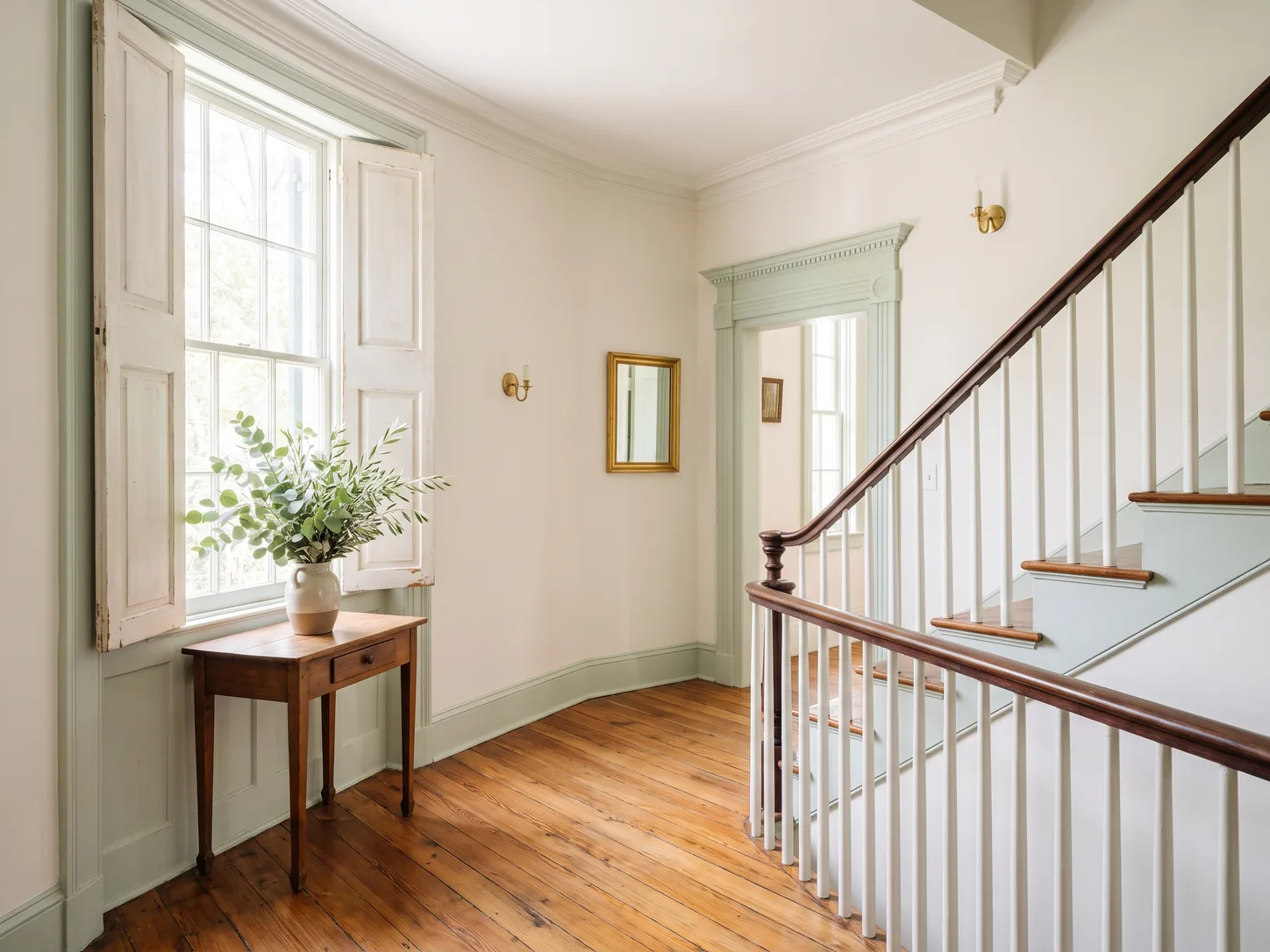
The inside is not regulated, but it has the same problem. South of Broad, Harleston Village, and Ansonborough hold houses that go back to the seventeen hundreds: heart pine floors, lime plaster, original millwork, marble that has been in place for two centuries. None of it can be replaced with a trip to a store, which makes cleaning it a question of what not to use.
- 100% Satisfaction Guarantee
- Background-checked, licensed & insured
- Five-star reviews on Google
Historic surfaces
Old surfaces, and the things that damage them
Heart pine is softer than modern flooring and its finish is often shellac or wax rather than polyurethane. Steam, standing water, and ammonia all do lasting damage to it, so none of them go on your floors. Lime plaster is porous and takes stains from the wrong cleaner in a way paint does not. Old marble etches on contact with anything acidic, which includes most bathroom products sold for exactly that job.
So the method here is deliberately conservative. Dry methods first, the mildest thing that works second, and a question to you before anything unusual. Where a surface needs a specialist rather than a cleaner, we will say so instead of trying it.
A deep clean covers 33 of the 35 tasks on our published checklist and is the right first booking on a house like this, because it is the visit where somebody goes over every surface slowly enough to notice what they are dealing with.
Recurring service
Recurring service after the first deep clean
Once a house is at a baseline, holding it is mostly about frequency. Peninsula houses are dense, walkable, and often smaller in footprint than their value suggests, which makes a shorter, more frequent visit a better fit than a long quarterly one.
Weekly saves 20%, every other week 15%, and monthly 10%, applied to every visit rather than an introductory one, with no long-term contract. On recurring plans we aim to keep the same cleaner on your home, which matters more here than anywhere else we work: somebody who already knows which floors are waxed and which stair treads are original is worth keeping.
Move-out
Move-out cleaning on the peninsula
Downtown carries a lot of rental stock, from Harleston Village apartments to single houses divided into units, and the turnover between tenants is its own job.
A move-out clean covers 32 of the 35 tasks, including the interiors of every cabinet, drawer, and pantry shelf, which are only reachable once the place is empty. The same restraint applies: an empty historic house is not an invitation to use something stronger.
Neighborhoods
Where we clean in Downtown Charleston
- South of Broad
- The Battery
- Rainbow Row
- French Quarter
- Harleston Village
- Ansonborough
- Radcliffeborough
- Cannonborough-Elliotborough
- Mazyck-Wraggborough
- Charlestowne
- Eastside
- Hampton Park Terrace
Not sure whether you are in range? Give us your address with your quote and we will confirm before pricing.
Source for the fact in the opening paragraph: Advisory Council on Historic Preservation, Charleston
Questions